
Maintaining stable blood glucose levels is key to overall health, whether you’re managing diabetes, seeking consistent energy, or simply aiming to optimize your well-being. In this post, we will break down the three fundamental components of food — protein, fiber, and carbohydrates. These three play distinct yet interconnected roles in influencing blood sugar.
1. Carbohydrates
Carbohydrates, also known as carbs, are a primary source of energy for your body, amd the the primary driver of glucose spikes. Your body breaks carbs down into glucose, which can cause an increase in blood sugar levels. People with diabetes have trouble using this glucose as fuel to keep them going throughout the day. As a result, glucose accumulates in the blood, leading to hyperglycemia. Low blood sugar, also called hypoglycemia, can occur if you don’t consume enough carbs. When it comes to choosing which carbs to eat, aim for carbohydrates that are rich in fiber, vitamins, and minerals, and low in added sugars, salt, and unhealthy fats. Here are the main types of carbs you should know about:
2. Starches
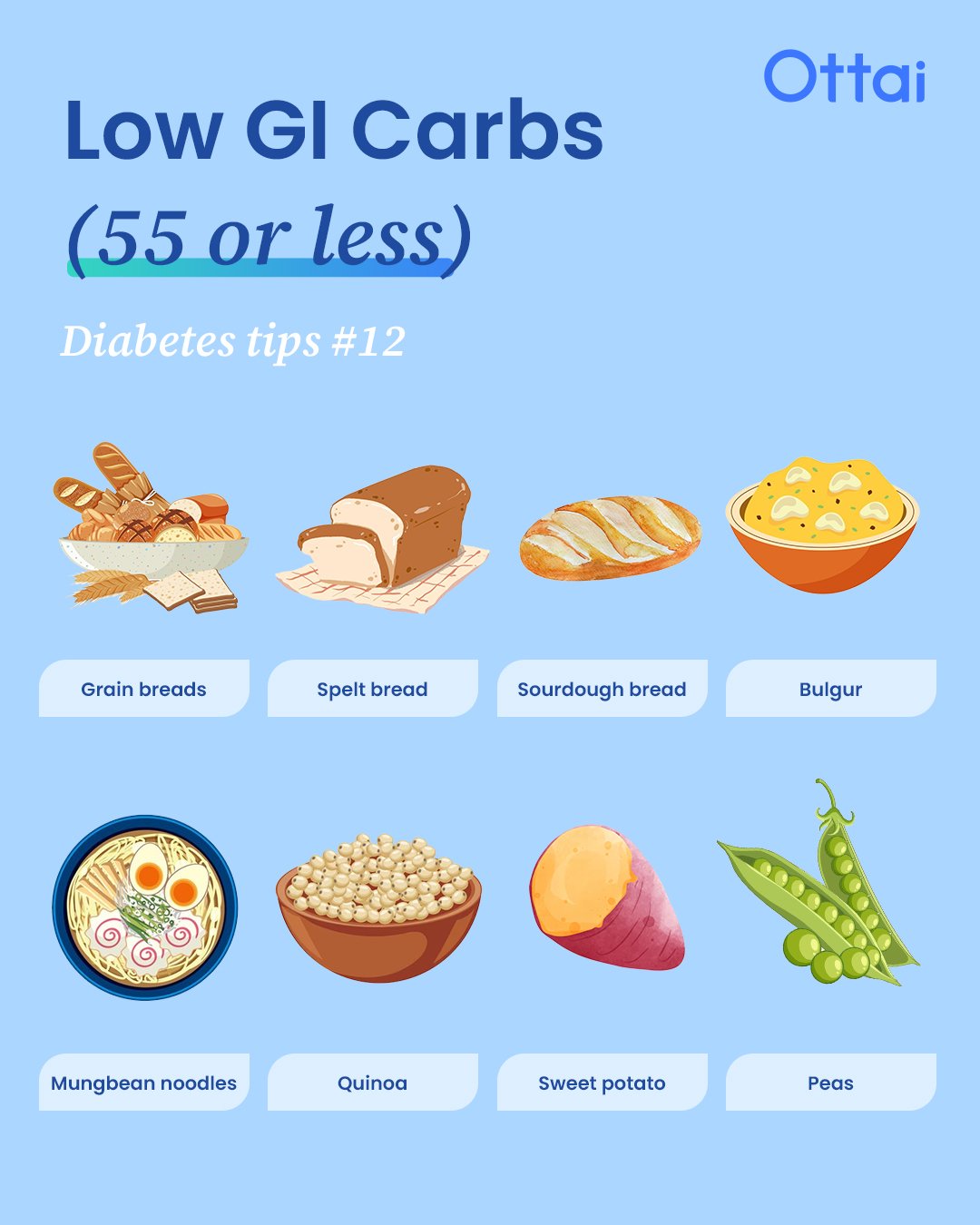
Starchy foods are the main source of carbohydrates for a healthy diet. When choosing starchy foods, pick whole grain options, which are plants harvested and dried with little processing. These include oats, barley, bulgur, quinoa, brown rice, farro, and amaranth etc.. Avoid over-consuming refined grains, as they lack the beneficial fiber, vitamins, and minerals that usually contain in whole grains. If you are following the Plate Method, aim to take about a quarter of your plate and try to consume at least half of your daily grain intake from whole grains.
Extra Tip: When checking ingredient lists, choose products that list "whole grain" or "whole wheat" as the first ingredient rather than "enriched."
3. Sugar
Sugar is one of the most common types of carbs. Mainly devided into two types: natural sugar (e.g. Directly from fruit, milk etc.) and added sugar (e.g. processed sugar, such as sugar in soda and baked goods). What's the difference you may ask. Added sugar is pure sugar with no nutritional value—just empty calories. Natural sugar, on the other hand, comes packaged with vitamins, minerals, and fiber, making it a healthier choice. However, over consume either types of sugar can cause health related issues such as obesity, type 2 diabetes and heart disease.
Daily Limits for Added Sugar:
Men: No more than 9 teaspoons (36 grams or 150 calories) per day.
Women: No more than 6 teaspoons (25 grams or 100 calories) per day.
4. Fiber
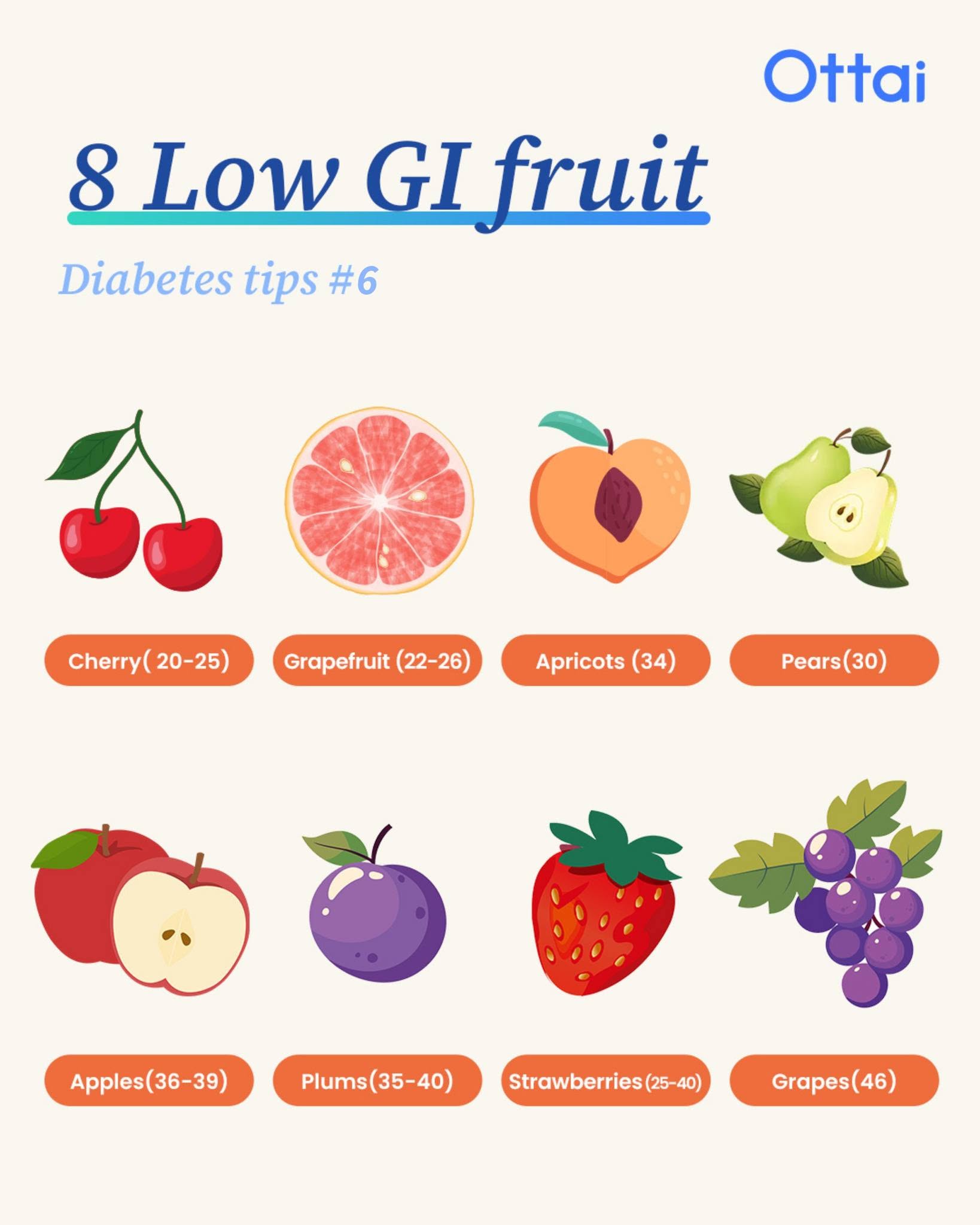
Fiber mostly comes from plant-based foods, including fruits and vegetables. You may be learning for the first time that fiber is a type of carb. That’s not surprising, because fiber is the carb that we as humans cannot digest. So, why eat it? In fact, fiber acts like a natural brush that improves your digestion by removing waste. It also keeps you feeling full, lowers cholesterol, and helps you manage your blood sugar levels. The Dietary Guidelines for Americans (DGA) recommend a minimum of 14 grams of fiber per 1,000 calories. Here are some common food that are good source for fiber also with low GI:
5. Protein: A Stabilizing Force
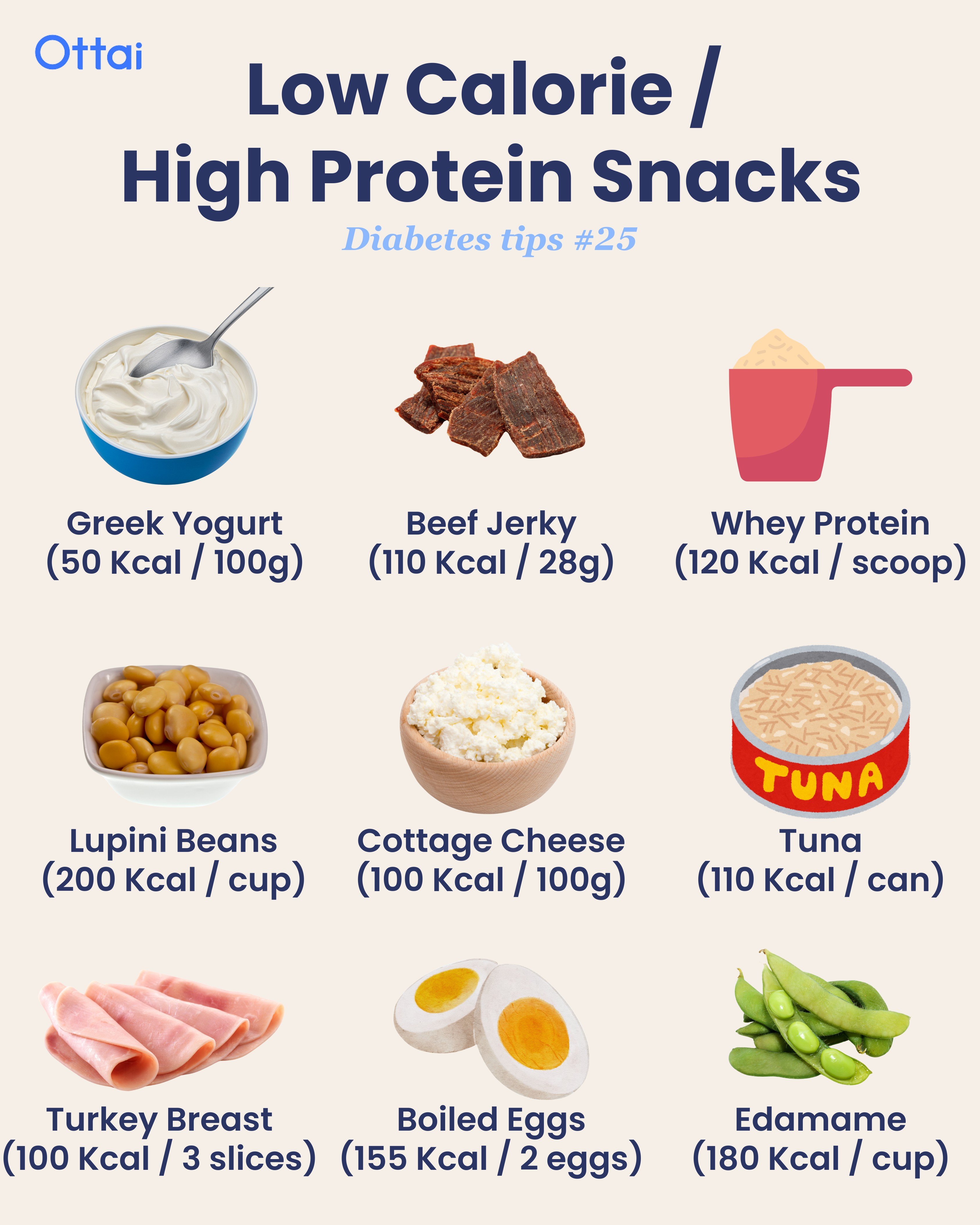
Protein plays a vital role in building and repairing cells, supporting growth, muscle development, and skin healing. For people with diabetes, adding protein to meals can help manage blood sugar levels by slowing digestion and breaking down the carbohydrates you eat. A meal that combines protein has a lower impact on blood sugar compared to a meal without protein.
How much protein should I eat?
It’s recommended that most adults aged 18 and older consume 0.8 grams (g) of protein per kilogram (kg) of body weight daily.
Stay Healthy Together!
Protein, fiber, and carbohydrates each play a unique role in shaping your glucose levels. Carbohydrates drive blood sugar changes, while protein and fiber work to moderate and stabilize them. By prioritizing each components, you can take charge of your blood sugar and support your health. Since individual responses to food vary, tools like continuous glucose monitors (CGMs) can offer personalized insights to refine your approach. Learn more about CGM from our other blog: What is CGM?