
How to reduce risk of Prediabetes?
Did you know that diabetes affects around 23 million people in Malaysia? But have you ever heard of prediabetes? Prediabetes is when your blood sugar levels are higher than normal, but not quite high enough to be classified as diabetes. It's a bit like a warning sign that you're on the road to type 2 diabetes, which could develop within 2-5 years if you don't take action. You might be surprised to find out that 1 in 10 people are at risk of type 2 diabetes without even knowing it. This is because there are usually no obvious signs or symptoms. Keep reading to learn how you can reduce your risk of Prediabetes and stay healthy. Let's dive in and see how you can make a difference for yourself.
Common factors causing prediabetes
Although there are some risk factors you can't control, such as family history and age, you can avoid diabetes and lower your risk of other related health issues (e.g., heart disease) through proper lifestyle changes. If you have multiple factors from below, you might be at risk of prediabetes:
- Family history of diabetes
- History of cardiovascular disease
- Age over 40
- Overweight (BMI > 25)
- High blood pressure (>140/90 mmHg)
- Lack of physical activities
- Women who delivered a baby weighing >4 kg
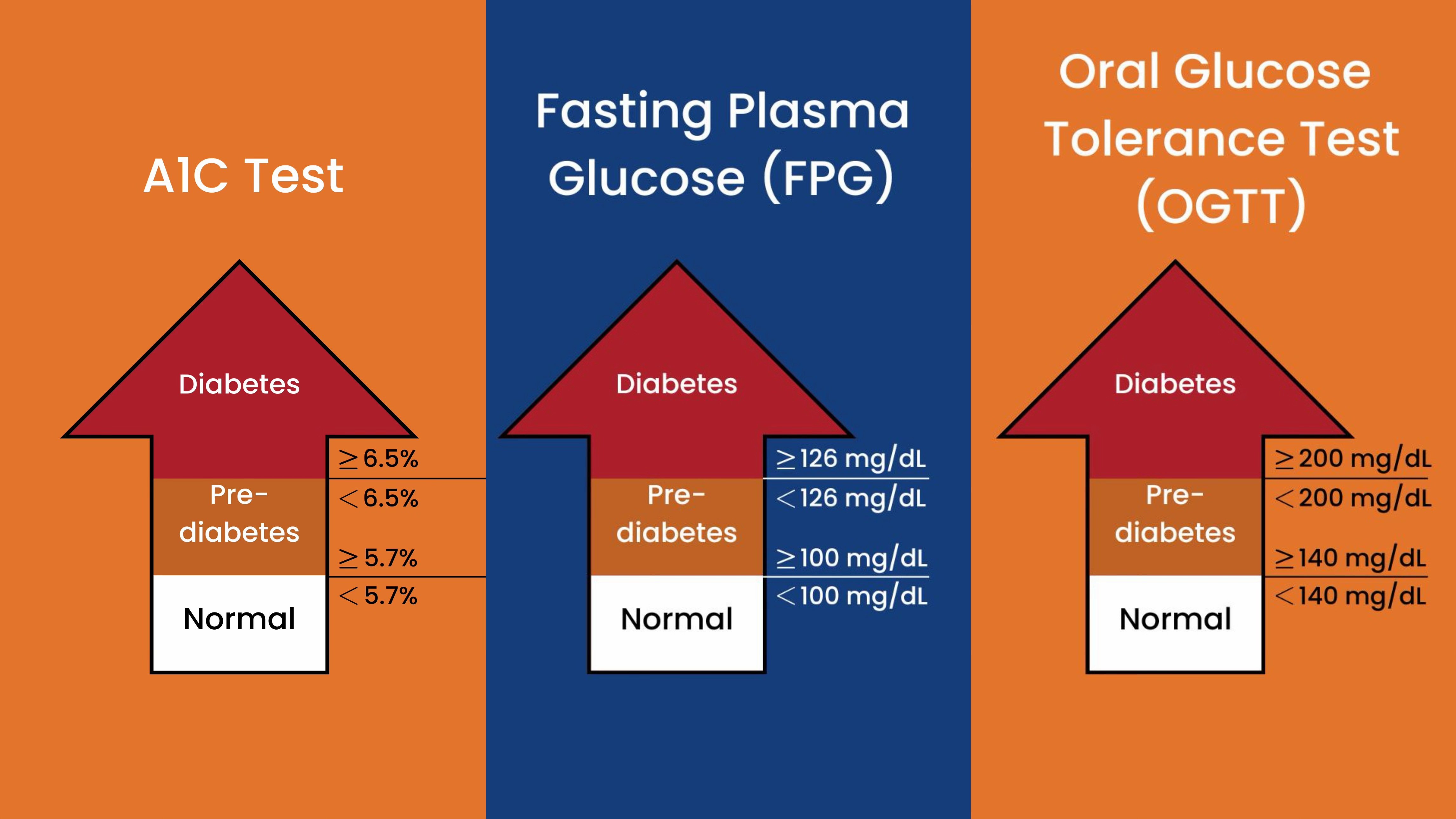
Here are common clinical methods to diagnose diabetes
A1C
The A1C test measures your average blood glucose for the past two to three months.
Fasting Plasma Glucose (FPG)
This test checks your blood glucose levels after not having anything to eat or drink (except water) for at least 8 hours before the test.
Oral Glucose Tolerance Test (OGTT)
The OGTT is a two-hour test that checks your blood glucose levels before and two hours after you drink a special sweet drink.
Top prediabetes prevention tips
1. Exercise
Regular physical activity is key to preventing prediabetes. Aim for at least 150 minutes of moderate - intensity exercise per week, such as brisk walking, cycling, or swimming. Exercise helps improve insulin sensitivity and can help you maintain a healthy weight. It also has the added benefit of reducing stress, which can positively impact your overall health.
2. Healthy food
Focus on eating a balanced diet that includes plenty of fruits, vegetables, and whole grains. Reduce your intake of saturated fats, and increase your dietary fiber intake (wholemeal bread, bran, wholegrain cereals, nuts). Reading food labels can also help you better understand what food you should avoid/eat. You can follow the diabetes healthy plate to help you maintain a healthy weight and reduce your risk of prediabetes.
3. Weight Management
Maintaining a healthy weight is crucial for preventing prediabetes. If you are overweight or obese (BMI > 25), losing even a small amount of weight can significantly reduce your risk. Study suggests lose 7% weight for people with BMI > 25, combine with at leat 150 minutes workout significatiently reduce the reisk of having type 2 diabetes.
4. Monitor your glucose levels regularly
Monitoring your blood sugar levels with a Continuous Glucose Monitor (CGM) can also help you understand how different foods, activities and sleep affect your body. CGM devices provide real-time data on your blood sugar levels, allowing you to make informed decisions about your diet and lifestyle, so you can maintain healthy glucose and metabolic health.