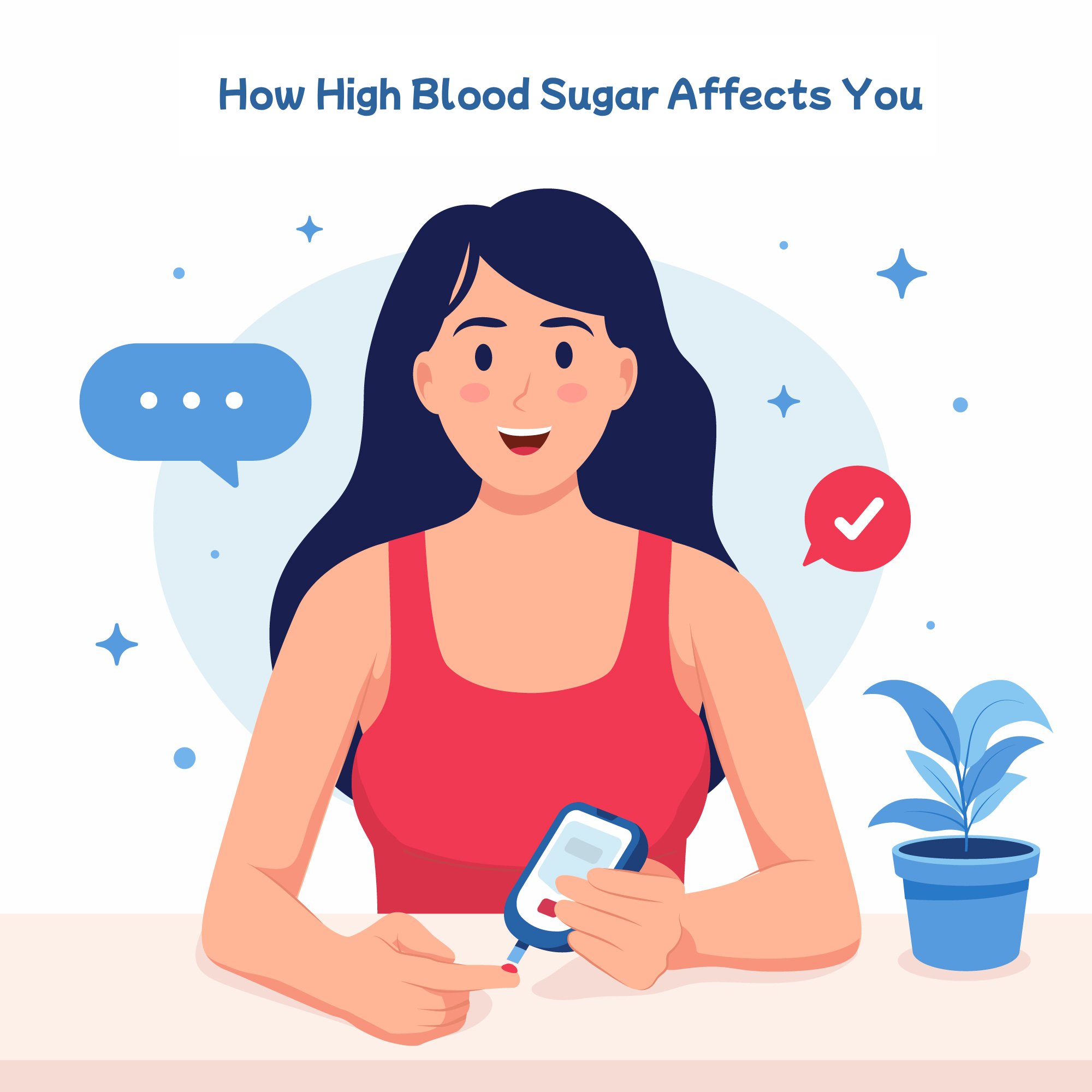
What Happens to Your Body When Blood Sugar is High?
A comprehensive guide for people living with diabetes in Australia
Introduction: Why this matters in Australia
Every five minutes, someone in Australia is newly diagnosed with diabetes. According to Diabetes Australia, over 1.5 million Australians are currently living with diabetes, and many more remain undiagnosed. One of the most important challenges patients face is recognising when their blood sugar levels are too high.
High blood sugar (hyperglycaemia) doesn’t always cause obvious symptoms at first. Many Australians may dismiss the signs as stress, summer heat, or just “getting older.” But understanding how the body reacts to elevated glucose is critical—because recognising these signals early can prevent long-term complications like kidney disease, nerve damage, and vision loss.
Why Does Blood Sugar Go Up?
For people with type 1 or type 2 diabetes, blood sugar rises because the body either doesn’t produce enough insulin or can’t use insulin effectively. In Australia, lifestyle factors also play a strong role:
Dietary habits: A typical Aussie BBQ often includes sausages, bread rolls, beer, and sugary sauces—foods that quickly spike glucose.
Processed carbohydrates: White bread, meat pies, and hot chips remain common staples.
Alcohol and coffee culture: Social drinking and café visits are part of daily life, but alcohol and sweetened lattes add hidden sugars.
Sedentary lifestyle: Long working hours, long commutes in cities like Sydney and Melbourne, and reduced physical activity contribute to glucose imbalances.
Early Warning Signs of High Blood Sugar
When blood sugar rises above normal ranges (typically >7.0 mmol/L fasting or >11.1 mmol/L two hours after meals), the body starts to respond. Common symptoms include:
1. Excessive thirst and frequent urination
High glucose draws water out of tissues, triggering dehydration. In hot Australian summers, many people assume thirst is just due to heat—but persistent thirst combined with frequent urination is a warning sign.
2. Fatigue and lack of energy
Even after a good night’s rest, you may feel drained. That’s because your cells aren’t receiving enough glucose for fuel. Many patients report struggling with everyday activities like walking the dog or gardening.
3. Blurred vision
Fluctuating glucose alters the eye lens, making vision temporarily unclear. This is why optometrists in Australia often recommend yearly eye exams for diabetes patients.
4. Slow-healing wounds
Cuts, insect bites (especially common in Queensland), or skin scrapes may take longer to heal due to poor circulation and impaired immune response.
5. Recurring infections
High blood sugar weakens the immune system, making yeast infections, urinary tract infections, and gum disease more common.
6. Unexplained weight changes
For type 1 diabetes, high glucose without insulin can trigger weight loss. In type 2 diabetes, persistent high sugar can cause gradual weight gain around the abdomen.
Short-Term vs Long-Term Risks of High Blood Sugar
Short-Term Risks
Diabetic ketoacidosis (DKA): More common in type 1, this condition can be life-threatening if untreated.
Hyperosmolar hyperglycaemic state (HHS): More common in type 2, leading to severe dehydration and confusion.
Reduced concentration and mood changes: Many Australians report feeling “foggy” or irritable when sugar levels are high.
Long-Term Risks
Uncontrolled hyperglycaemia increases the risk of:
Heart disease and stroke (a leading cause of death in Australia)
Kidney damage (diabetic nephropathy)
Vision problems and blindness (diabetic retinopathy)
Nerve damage (diabetic neuropathy) leading to numbness in feet and increased risk of amputation
Foot ulcers: A particular concern in regional Australia, where podiatry services may be harder to access.

How Australians Can Monitor and Manage High Blood Sugar
1. Blood glucose monitoring
Finger-prick testing: Blood glucose meters are available from major pharmacies such as Chemist Warehouse or Priceline.
Continuous Glucose Monitors (CGM): More Australians are now using CGMs, with subsidies available under the National Diabetes Services Scheme (NDSS) for eligible patients.
2. Nutrition tailored for Australians
Swap white bread for wholegrain or sourdough.
Choose fresh seafood (readily available in coastal Australia) instead of fried takeaway.
Replace sugary drinks with sparkling water or unsweetened iced tea.
Enjoy BBQs with lean meats, grilled vegetables, and salad rather than sausages and chips.
3. Physical activity
The Australian environment offers plenty of ways to stay active:
Walking along coastal tracks
Swimming at local beaches or pools
Cycling in Melbourne’s bike lanes or along Sydney’s bay routes
Tennis, cricket, or lawn bowls for community engagement
Even 30 minutes of moderate exercise per day can improve insulin sensitivity.
4. Mental health support
Living with diabetes can feel overwhelming. Australians can access support via:
Beyond Blue for mental health support
Diabetes Australia helpline (1800 637 700)
Local diabetes support groups, often run in community centres
5. Regular check-ups
Annual eye exams with an optometrist
Foot checks with a podiatrist
Kidney function and cholesterol checks with a GP
Thanks to Medicare, many of these are subsidised for diabetes patients.
Practical Tips for Day-to-Day Life in Australia
At work: Keep healthy snacks (nuts, Greek yoghurt, carrot sticks) instead of vending machine options.
On the road: Long-distance truck drivers or travellers in regional areas should carry glucose monitoring kits and balanced meals.
Social gatherings: Politely decline high-sugar desserts or opt for fruit platters at BBQs.
Travelling: Australia’s vast distances mean you should plan medication and monitoring supplies in advance.
Conclusion: Listening to Your Body
High blood sugar isn’t just a number on a test—it’s a condition your body feels and responds to. From thirst and fatigue to blurred vision and infections, these signals should never be ignored.
For Australians living with diabetes, combining self-monitoring, healthier food choices, regular physical activity, and using national support programs like the NDSS can make a huge difference. And remember: your GP, pharmacist, and diabetes educator are key partners in managing your health.
By staying aware of what high blood sugar does to your body and acting early, you can protect your long-term health and continue enjoying the active Australian lifestyle.
References
Diabetes Australia. Diabetes in Australia: Facts and Figures.
National Diabetes Services Scheme (NDSS). Managing Diabetes.
Australian Institute of Health and Welfare (AIHW). Diabetes Snapshot 2023.
Australian Government Department of Health. National Diabetes Strategy 2021–2030.
World Health Organization (WHO). Diabetes Fact Sheet.
Beyond Blue. Mental Health Support for Australians Living with Chronic Conditions.
NHMRC (National Health and Medical Research Council). Australian Dietary Guidelines.
Royal Australian and New Zealand College of Ophthalmologists. Diabetic Retinopathy Guidelines.